
If you are new to peptides, you may have come across names such as BPC-157, TB-500, CJC-1295, Ipamorelin, Semaglutide, and Tirzepatide and wondered: What peptides should I take as a beginner?
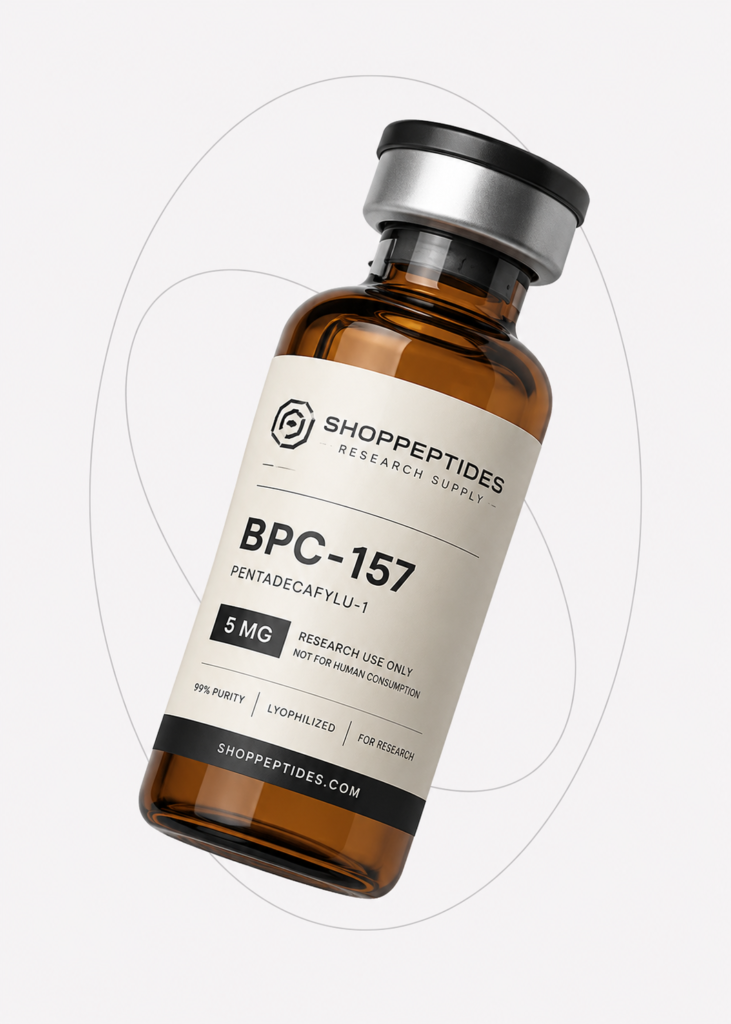
The answer is not as simple as choosing the most popular peptide. Peptides are a broad group of compounds with very different structures, mechanisms, uses, regulatory statuses, and safety considerations. What may be appropriate for one person may be inappropriate for another.
For beginners, the most important step is to understand what peptides are, why they are being considered, what evidence exists for a particular peptide, and what potential risks are involved before making any decision.
This guide explains the basics and provides a practical framework for researching peptides responsibly.
What Are Peptides?
Peptides are short chains of amino acids. Amino acids are the building blocks of proteins, and peptides generally contain fewer amino acids than full proteins.
Many naturally occurring peptides are involved in biological processes throughout the body. Some act as signaling molecules, while others can influence particular cellular pathways.
Because peptides can interact with biological systems in different ways, researchers have investigated them for a wide range of potential applications.
However, “peptide” is a broad scientific category rather than a single type of product. Two peptides can have completely different properties and should not automatically be considered interchangeable.
Should Beginners Take Peptides?
There is no universal list of peptides that every beginner should take.
Before considering any peptide, it is important to determine:
- What is the intended purpose?
- Is the peptide approved for that purpose?
- What scientific evidence supports its use?
- What are the known or potential risks?
- Is the product legally available in your country?
- Has the product been manufactured and tested appropriately?
- Are there safer, better-established alternatives?
These questions are especially important because many peptides marketed online are described using claims that go beyond the available scientific evidence.
A product being popular online does not necessarily mean that it is proven to be safe or effective.
Popular Peptides Beginners May Encounter
People researching peptides will commonly encounter several different categories. They should not all be treated in the same way.
1. Metabolic and Weight-Management Peptides
Some peptide-based medicines are used in regulated medical treatment for conditions such as type 2 diabetes or obesity.
Semaglutide and tirzepatide, for example, are well-known medicines that act on hormone pathways involved in appetite, blood glucose regulation, and metabolism.
Because these are prescription medicines in many countries, they should be considered in the context of medical care rather than as general-purpose beginner supplements.
A healthcare professional can determine whether an approved medication is appropriate based on an individual’s medical history and circumstances.
2. Recovery and Research Peptides
Another category frequently discussed online includes compounds such as BPC-157 and TB-500.
These compounds have attracted significant interest in research and online communities because of discussions surrounding tissue repair and recovery.
However, interest and preliminary research should not be confused with established clinical evidence. Some peptides marketed for research purposes are not approved medicines for human use.
Anyone researching these compounds should carefully distinguish between laboratory research, animal studies, early human research, and established medical evidence.
3. Growth-Hormone-Related Peptides
Compounds such as CJC-1295 and Ipamorelin are also frequently discussed in peptide communities.
These peptides have been investigated in relation to growth-hormone signaling and related biological pathways.
However, their regulatory status, evidence, potential adverse effects, and appropriate uses can vary significantly.
For beginners, understanding the science and regulatory status is more important than simply choosing a popular compound.
How Should a Beginner Evaluate a Peptide?
Instead of asking only, “Which peptide should I take?”, a better question is:
“What do I need to know about this peptide before considering it?”
Use the following checklist.
1. Research the Intended Purpose
Start by identifying the specific reason the peptide is being considered.
Avoid choosing a peptide simply because it is trending on social media or recommended by an online community.
2. Check the Scientific Evidence
Look for evidence from reputable scientific and medical sources.
Pay attention to whether the evidence comes from:
- Laboratory research
- Animal studies
- Small human studies
- Randomized clinical trials
- Systematic reviews
- Regulatory authorities
A compound showing an interesting effect in laboratory research does not automatically mean that the same effect has been demonstrated in humans.
3. Understand Regulatory Status
One of the most important beginner questions is whether a peptide is an approved medicine for the intended purpose.
Regulations differ between countries, so information from one jurisdiction may not apply elsewhere.
Be particularly cautious with products advertised as “research use only” while simultaneously being promoted online for human treatment.
4. Investigate Product Quality
If a peptide product is being considered for legitimate research purposes, quality and documentation are important.
Look for information such as:
- Manufacturer identity
- Batch or lot information
- Certificate of analysis
- Independent laboratory testing
- Purity information
- Storage requirements
- Appropriate labeling
A professional-looking website or attractive packaging is not proof of product quality.
5. Consider Potential Risks
Peptides can have biological effects, which means they can also have biological risks.
Potential concerns can include adverse reactions, interactions with medicines, contamination, incorrect labeling, inappropriate dosing, and unknown long-term effects.
The risks depend heavily on the specific compound.
Are Peptides Safe for Beginners?
There is no single answer because safety depends on the particular peptide, its formulation, the reason for use, the individual’s circumstances, and whether it is an approved and properly regulated product.
A common mistake is assuming that peptides are automatically safe because they are made from amino acids.
That assumption is incorrect.
Some naturally occurring peptides have important biological functions, while synthetic peptide compounds can produce powerful effects on biological pathways.
Anyone considering a peptide for personal medical use should discuss it with a qualified healthcare professional.
What About “Research Peptides”?
The term research peptide is commonly used online to describe peptide products sold for laboratory or scientific research.
“Research use only” labeling does not mean that a product has been approved for human use.
This distinction is particularly important when reading online product descriptions. Educational and scientific information should clearly separate laboratory research from medical treatment.
Common Beginner Mistakes
People who are new to peptides often make several avoidable mistakes.
Choosing a Peptide Because It Is Trending
Popularity does not establish safety or effectiveness.
Using Someone Else’s Protocol
A protocol that appears online may have been created for a completely different individual, purpose, or research setting.
Ignoring Regulatory Status
A peptide being available for purchase does not necessarily mean it is approved as a medicine.
Trusting Marketing Claims
Claims such as “instant recovery,” “guaranteed results,” or “zero side effects” should be treated with skepticism.
Buying Without Checking Documentation
Where appropriate, buyers and researchers should look for reliable information about the manufacturer, batch, testing, and product identity.
A Better Beginner Approach
If you are completely new to peptides, don’t begin by creating a complicated peptide stack.
Instead, follow a simple research process:
Step 1: Identify your specific goal.
Step 2: Determine whether an approved treatment already exists.
Step 3: Research the peptide’s mechanism and available evidence.
Step 4: Check its regulatory status in your country.
Step 5: Understand potential risks and contraindications.
Step 6: Discuss medical-use decisions with an appropriately qualified healthcare professional.
Step 7: If researching a compound in a laboratory setting, follow appropriate institutional safety and research procedures.
This approach is much safer than selecting peptides based solely on online popularity.
Frequently Asked Questions
What is the best peptide for a beginner?
There is no single “best” peptide for everyone. The appropriate choice depends on the intended purpose, medical circumstances, scientific evidence, and regulatory status.
Are peptides safe?
Some peptide medicines have established safety profiles when used appropriately under medical supervision. Other peptides have limited human data or are not approved for human use. Safety therefore needs to be evaluated on a peptide-by-peptide basis.
Can beginners use multiple peptides together?
Combining compounds can introduce additional risks and make it difficult to determine which compound is responsible for an effect or adverse reaction. Beginners should not assume that combining peptides is automatically safe.
Are research peptides approved for human use?
Not necessarily. A product labeled for research use should not be assumed to be an approved medicine.
Do peptides work?
Some peptide-based medicines have demonstrated clinical benefits in well-designed studies. Other peptides have much more limited evidence. The answer depends on the specific peptide and the intended use.
Should I speak to a doctor before using peptides?
Yes, particularly when considering a peptide for personal medical use. A qualified healthcare professional can help assess whether an approved treatment is appropriate and discuss potential risks and alternatives.
Final Thoughts
For someone new to peptides, the best starting point is education rather than experimentation.
There are many different peptides, and they do not all have the same evidence, safety profile, or regulatory status. Some are established medicines, while others remain primarily subjects of research.
Before considering any peptide, investigate its purpose, scientific evidence, regulatory status, product quality, and potential risks.
The most important question isn’t simply “What peptide should I take?”
It is:
“What does the evidence say, is it appropriate for my intended purpose, and what are the risks?”
Taking that approach can help beginners make more informed decisions and avoid relying on exaggerated marketing claims or unverified online advice.
Disclaimer: This article is provided for general educational and informational purposes only. It is not medical advice and does not recommend that any individual use a particular peptide. Peptides and peptide-based medicines can have significant biological effects, and regulatory status varies by product and country. Always consult an appropriately qualified healthcare professional regarding personal medical treatment.